• Recovering the Gospel & the 5 Solas of the Reformation

    The purpose of the Reformation was to recover the true Gospel. As the reformers poured over Scripture, five essential themes arose and were distilled into the basics of Gospel of Christ. They are known as the 5 Solas of the Reformation. These are Latin terms which name the components that express the historic reformed Protestant view of salvation. This view of salvation holds that we are saved by grace alone, through faith alone, in Christ alone. All Christians will acknowledge that we are saved by grace through faith in Christ. The understanding of Scripture that was recovered , however, emphasizes that it is these components of our salvation alone – without any work or input by man contributing in any way to the work of the Father, Son, and Holy Spirit – that brings about the salvation of sinners.

    Latin was the language of theologians and scholars in the 16th century, which is when the Reformation began in earnest, though there were many protoreformers. Sola means alone in Latin. Expressing the fundamentals of the Reformation, therefore, is expressed in the following Latin terms: Sola Gratiaby grace alone; Sola Fide though faith alone; Solus Christusin Christ alone. The fourth is Soli Deo Gloria for the glory of God Alone. The salvation of sinners is done to display God’s sovereign grace and mercy. The fifth sola is Sola Scriptura Scripture alone. As the word of God it alone is the only infallible, inerrant, authority for our faith and practice.

    The Gospel is the message of the work of Christ on our behalf, to atone for our sins and to lead the righteous life that we could not. Through our union with Him by the Holy Spirit, we are regenerated to eternal life with God. Christ’s sinless life, His atonement for our sin, His resurrection that conquered death, and His ascension to eternal glory are the means through which our salvation is accomplished. It is done for God’s glory alone.

    God alone is the all powerful, sovereign ruler of the universe. He is morally perfect and possesses all wisdom, and the knowledge of all things. God created all things and continually upholds all He created – He is the source and sustainer of everything that exists. He exists eternally as the Triune Godhead. Each person of the Trinity exists eternally, in perfect loving communication. As He is the omnipotent, omniscient, and omnipresent only God, who does all things for His own glory, as alone He is deserving of worship and honour from his creatures. Therefore, it is right that we should do all things and give thanks for everything to the glory of His praise alone.

    The following links will take you to brief Scriptural introductions to these critically important doctrines of traditional protestant theology

    What are the 5 Solas?

    Sola Gratia: By Grace Alone

    Sola Fide: Through Faith Alone

    Solus Christus: In Christ Alone

    Soli Deo Gloria: To the Glory of God Alone

    Scripture Alone: Our Only Inerrant, Infallible Authority for Faith and Practice
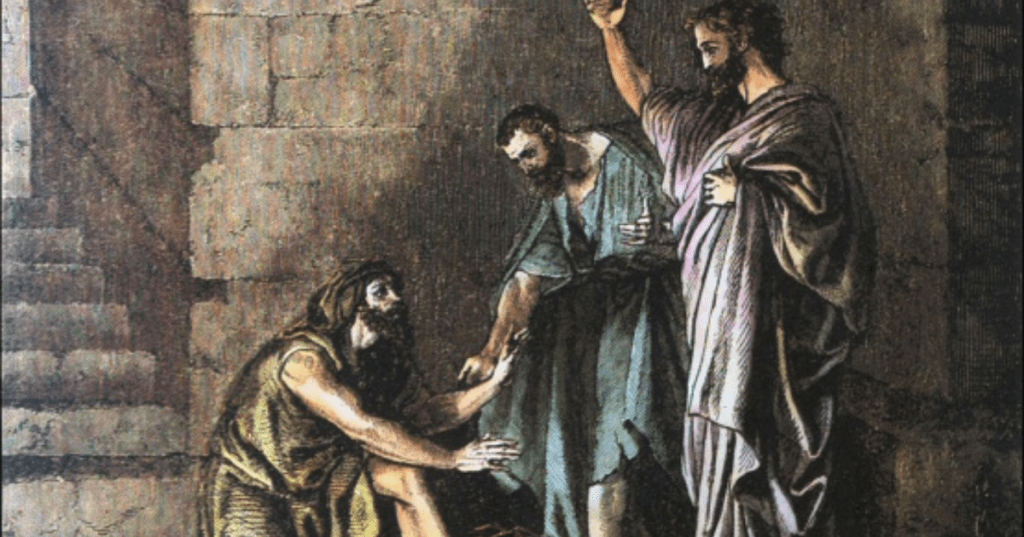
  • “Sirs, what must I do to be Saved?”

    In the Book of Acts 16:30, we encounter the Philippian Jailer who asks Paul and Silas, “Sirs, what must I do to be saved?” Their answer was simple – believe on the Lord Jesus Christ and you will be saved. How would we answer this question? Our response would tell us a great deal about our theology and understanding of historic Christianity. (more…)

  • Christ, our only mediator…

    In Sunday University and Sunday Discussions, we’ve addressed the false teaching that man needs an earthly mediator to go to God, in prayer or for forgiveness. We have also seen the problems that can arise when we add anything to biblical teaching. The Bible teaches us that we have one mediator, and that is Jesus Christ, who is God himself. In this video (48 minutes), Derek Thomas explains how Jesus intercedes for us, and why understanding this is central to understanding the Christian faith and life.

  • Justification and Sanctification: A Brief Examination

    Martin Luther, John Calivn, and the great reformers declared that justification is the doctrine on which the church stands or falls. It is critical to our understanding of salvation and our relationship with God. When thinking about our salvation, a distinction needs to made between our justification – our standing in the site of God, and our sanctification – our growth in holiness and Christlikeness. This brief read from The Gospel Coalition website is a great introduction to both.

  • What is the Himmelreich Academy?

    Who are we? Where do we come from, and where are we going? How do we get there? What went wrong? Is there a God? If so, can we know Him and what is He like? At the Himmelreich Academy, we want to show that there are answers to these questions that are not only intellectually satisfying, but will transform how we live our lives. The impact of the knowledge of God, or lack thereof, impacts society, and society influences our views as well. At HA, westart with theology, and seek to extend our understanding into all areas of life. Join us Sunday mornings at the Himmelreich Library at 9:00 am for Sunday University, or 2:00 pm for Sunday Conversations. Everyone is welcome!

  • What Is Reformed Theology?

    At Himmelreich Academy, one of our objectives is to encourage  a true knowledge of God through the study of theology. Theology, the study of God, is the basis of all our thoughts and actions, whether we acknowledge it or not. We are all theologians. We all  have a concept of whether He exists, and if so, what are His attributes? How does He relate to us? What does He require of us? What is morally right or wrong? How can we know Him? These, and the answers to many more questions, inform how we understand the world, our place in it, and determine our actions. In the following 22 minute video, R.C. Sproul of Ligonier Ministries, introduces Reformed Theology. 10 other videos are also available related the the doctrines of the Reformation. Interested in learning more and discussing the impact this has on our life and culture? Join on Sunday mornings at 9am  in the Himmelreich Library for Sunday University, or Sunday Afternoons at 2pm for Sunday Conversations.